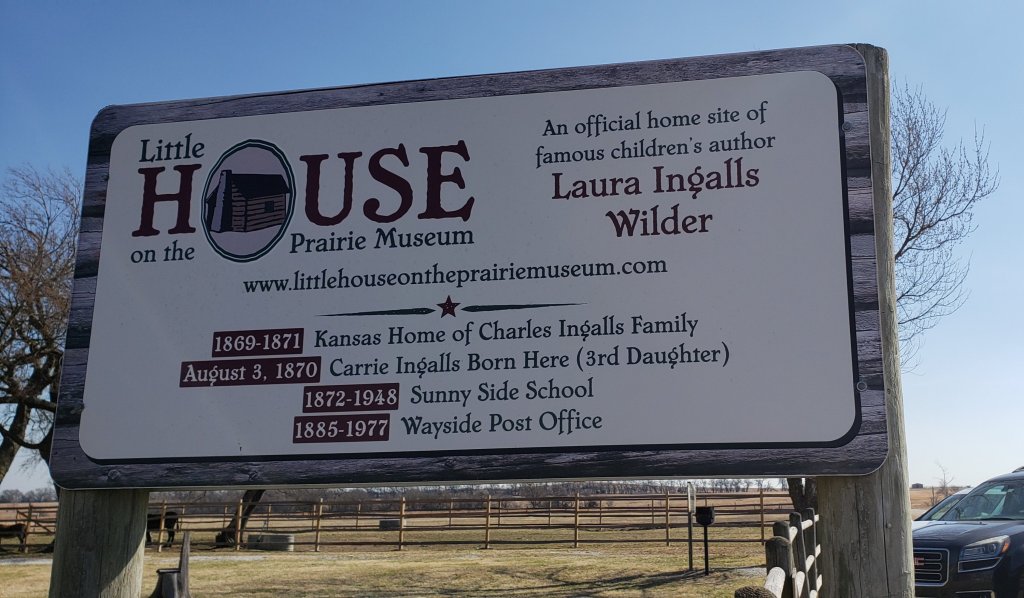
I was so excited to learn that The Little House on the Prairie Museum was opening before I left Kansas. I am busy getting the camper packed and ready to get on the road….but I can make time for a stop here!
Follow along on my journey as I travel the US
I was so excited to learn that The Little House on the Prairie Museum was opening before I left Kansas. I am busy getting the camper packed and ready to get on the road….but I can make time for a stop here!




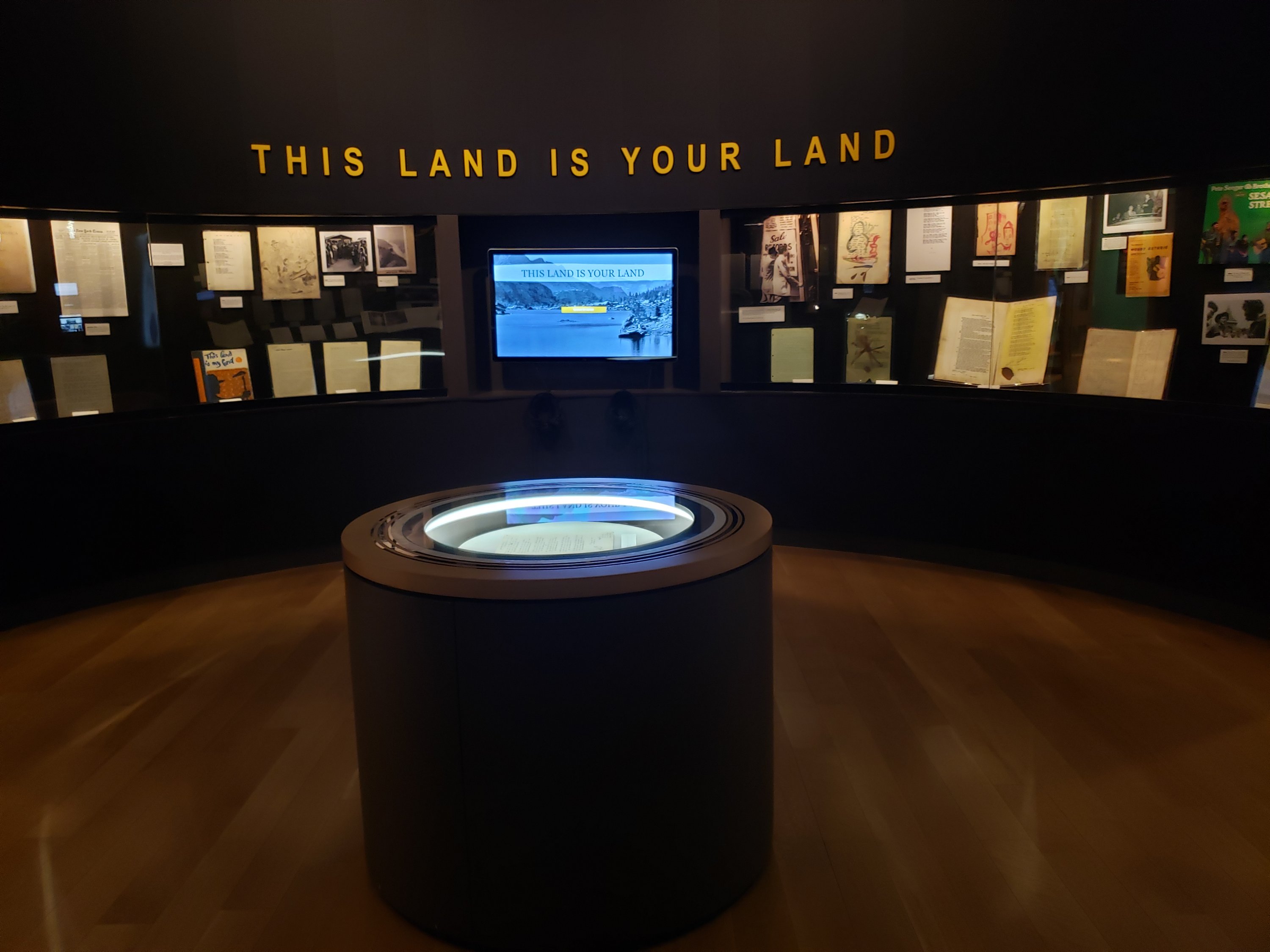
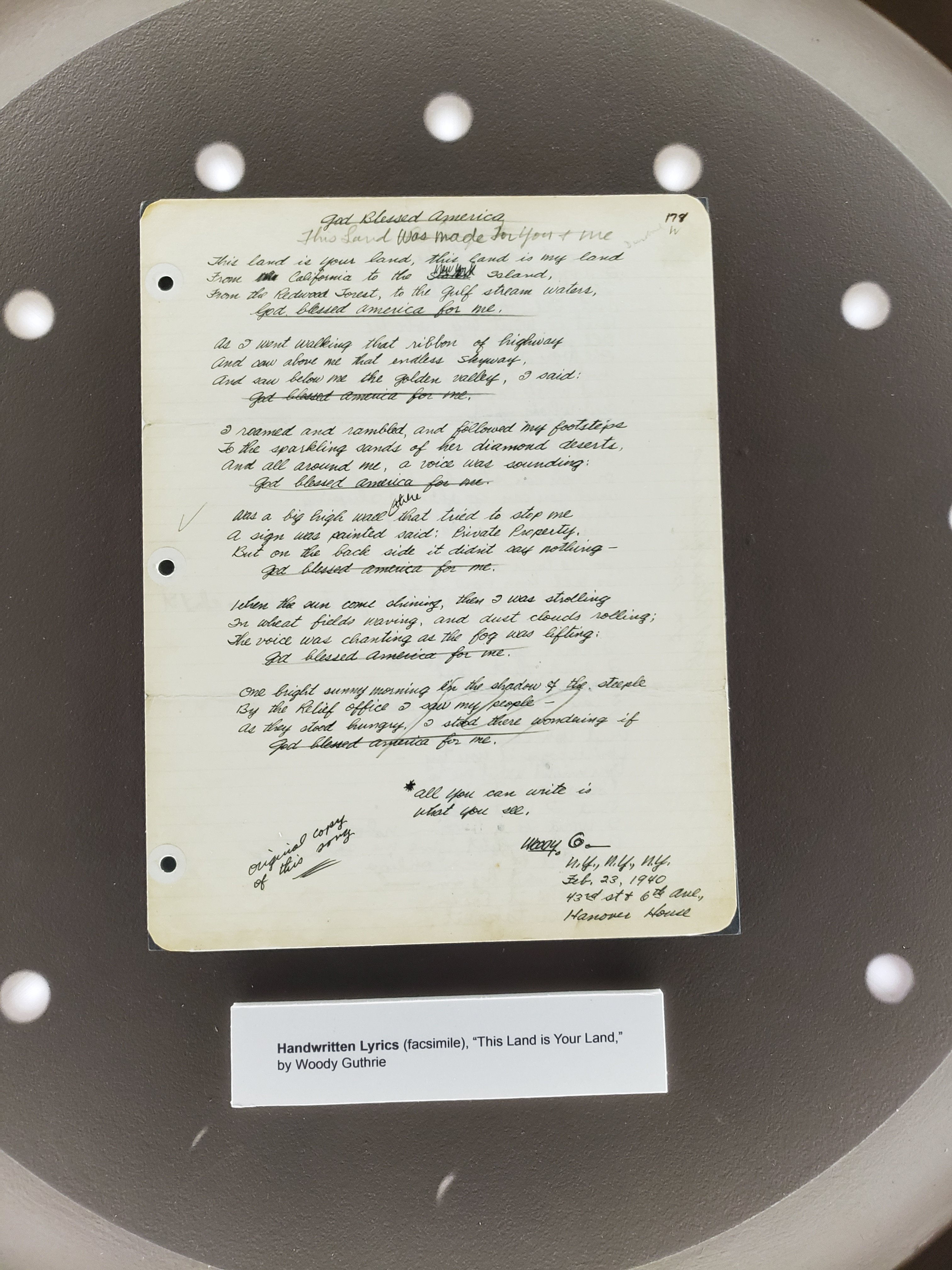
I had a rainy day this past weekend, so I decided to head out to explore. I wound up in downtown Tulsa at the Woody Guthrie Center.
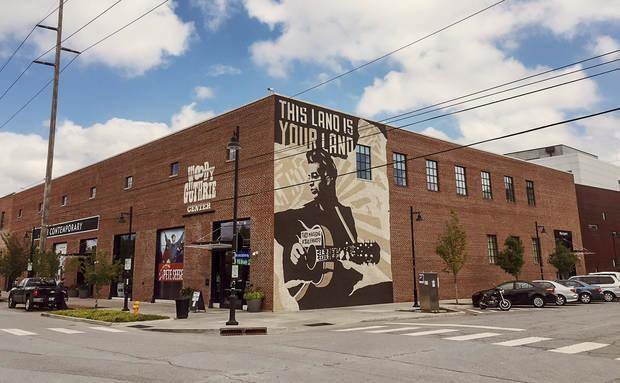
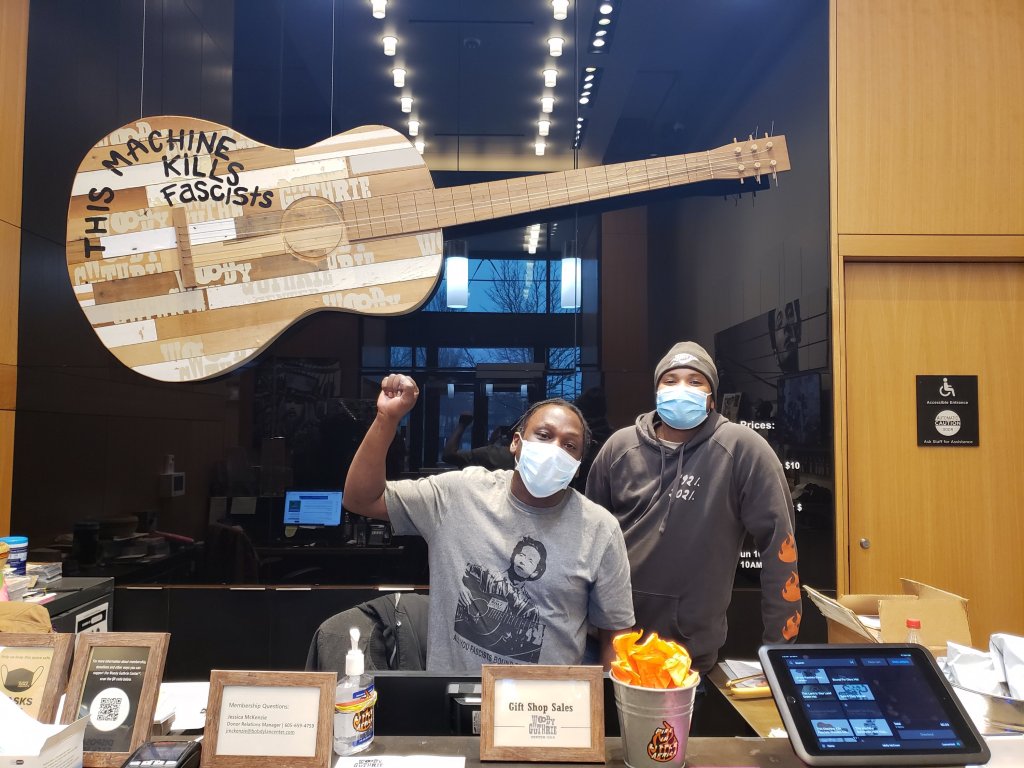
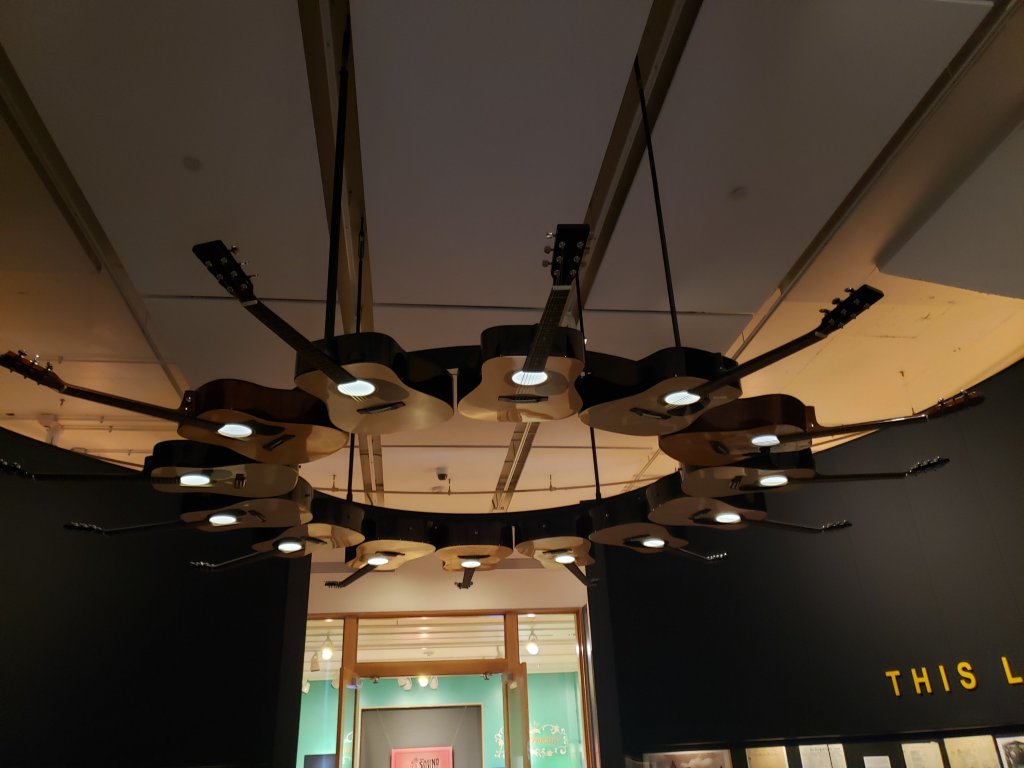
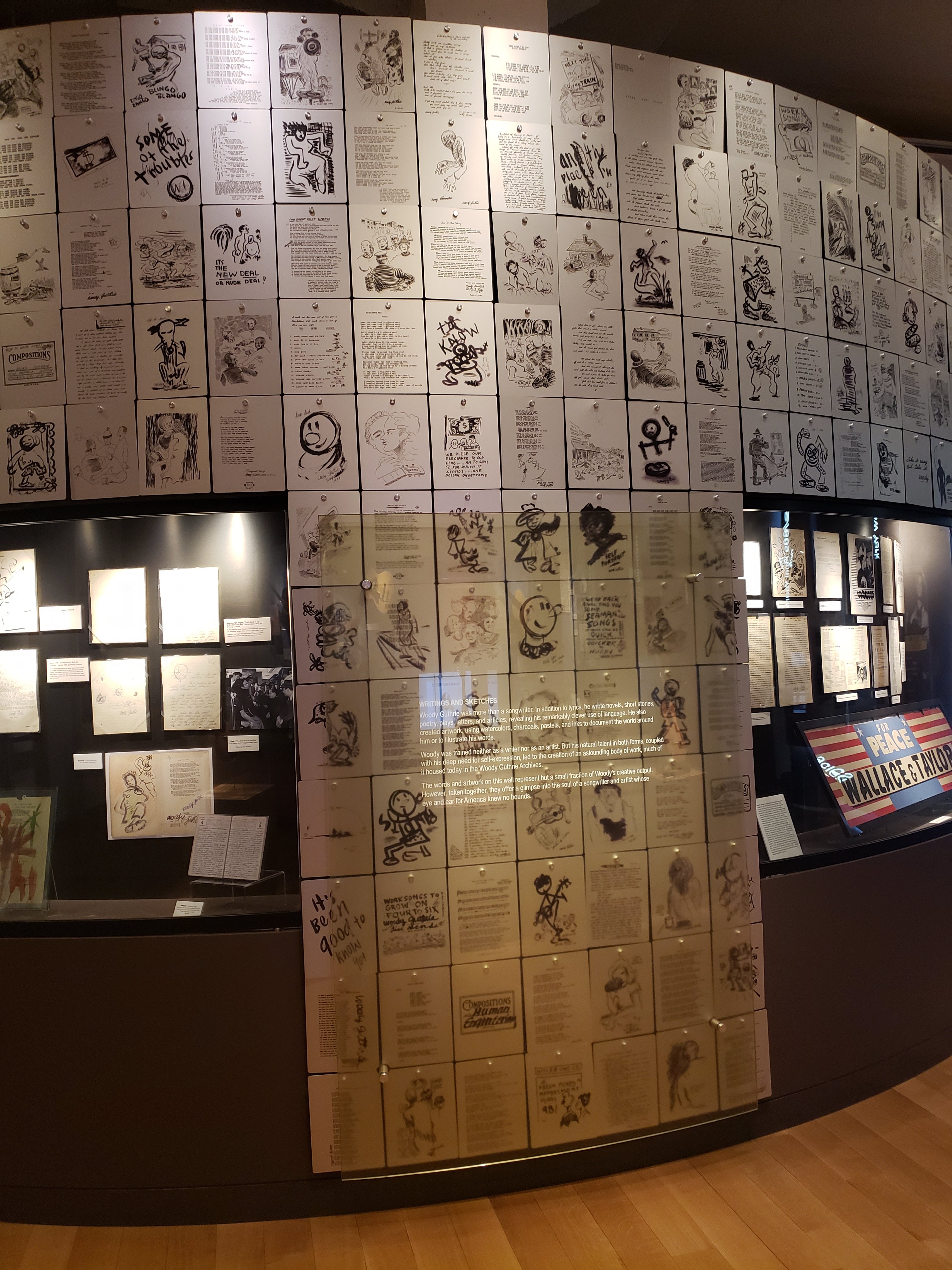
The museum is small but filled with exhibits about Woody Guthrie, the Dust Bowl and a special gallery honoring the women of country music.
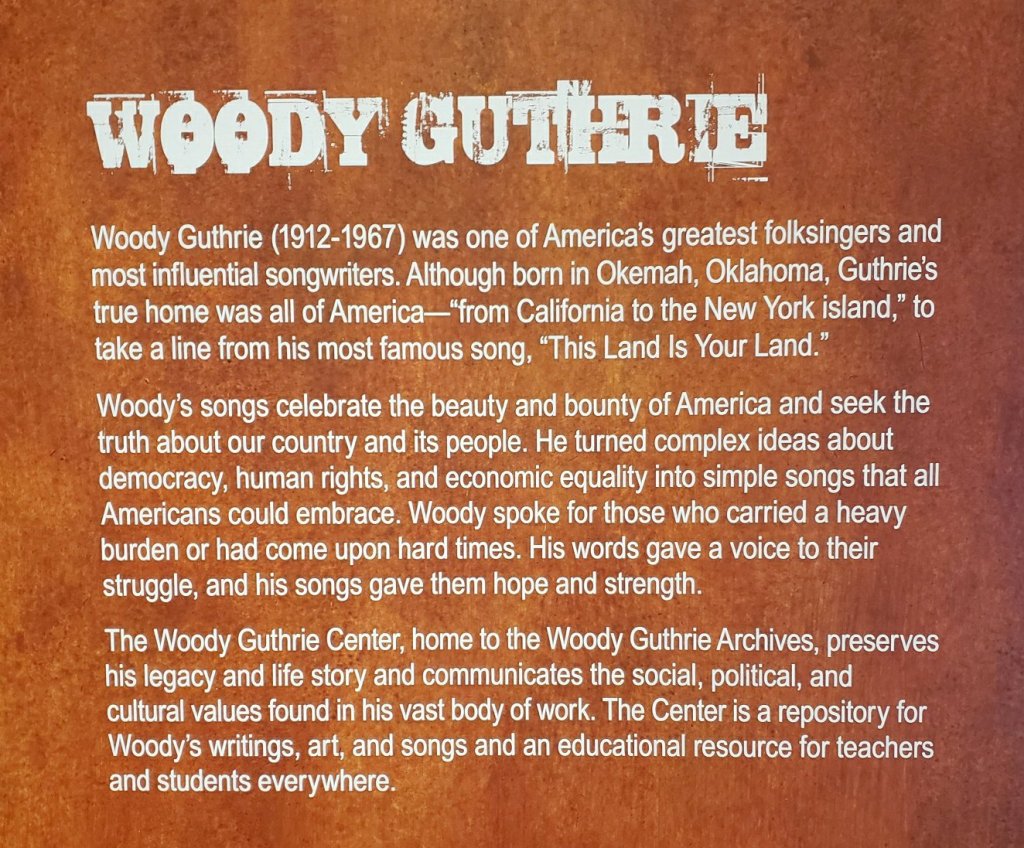

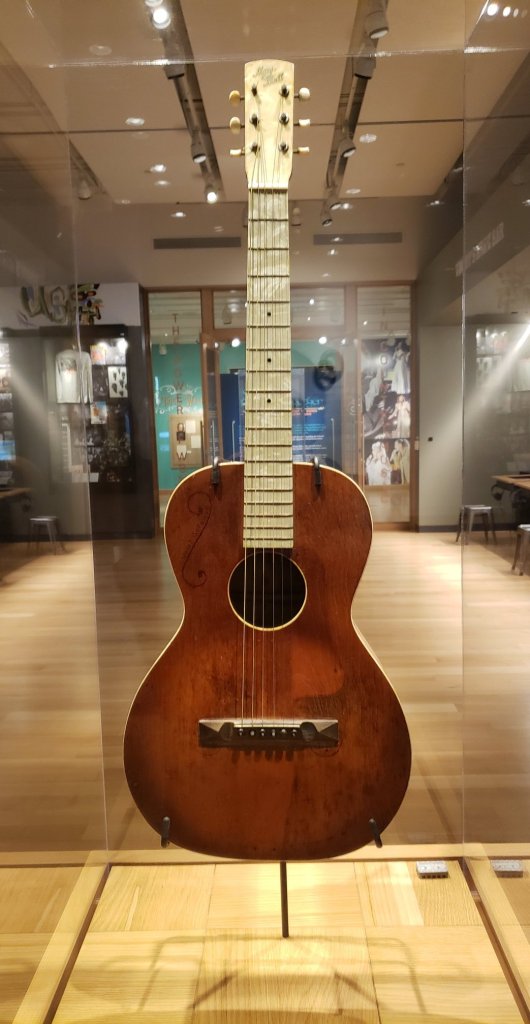
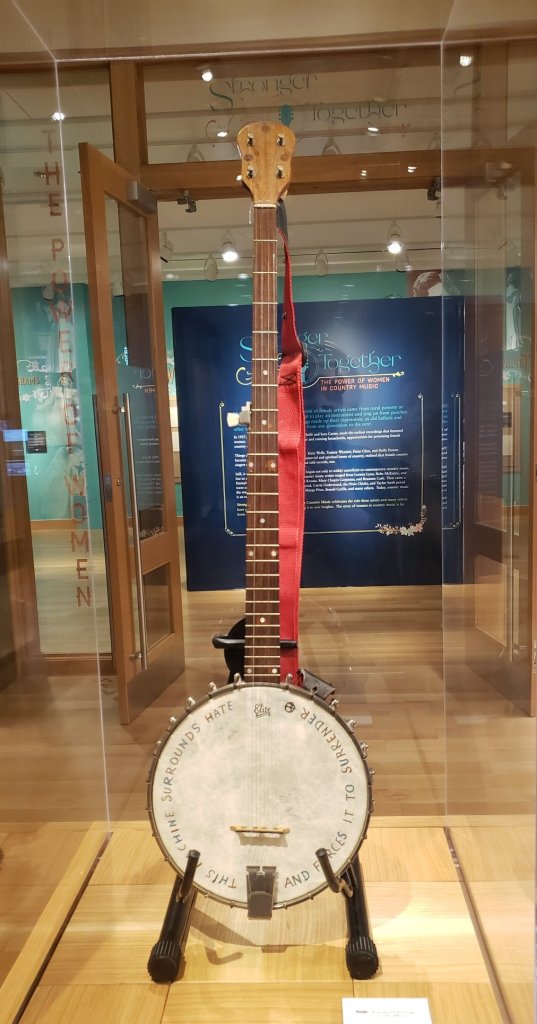
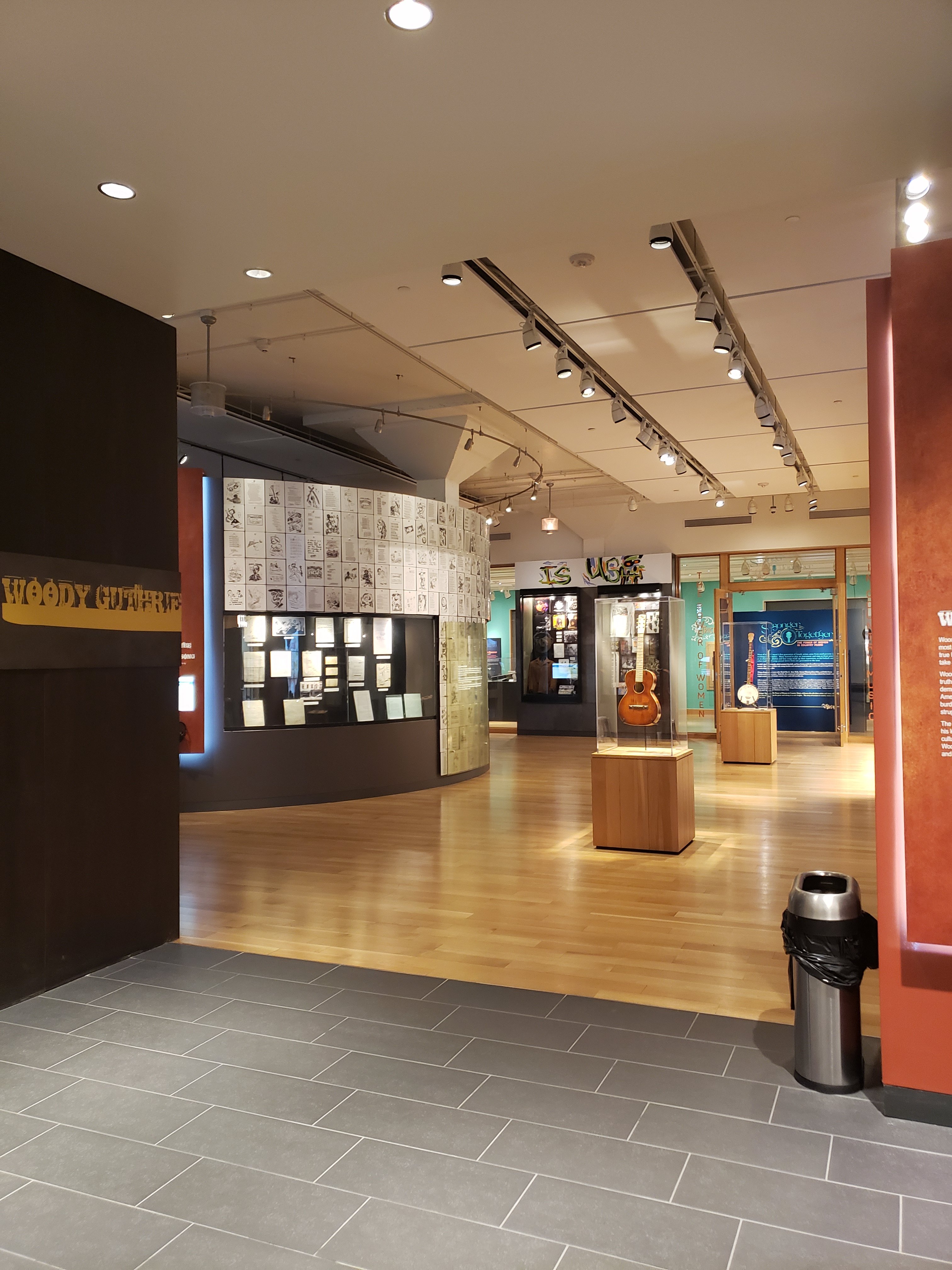
There were several sit-down stations with interactive videos & headphones chronicling Woody Guthrie’s life. Most people know Woody Guthrie for his songs; however, he was also a talented artist and author.
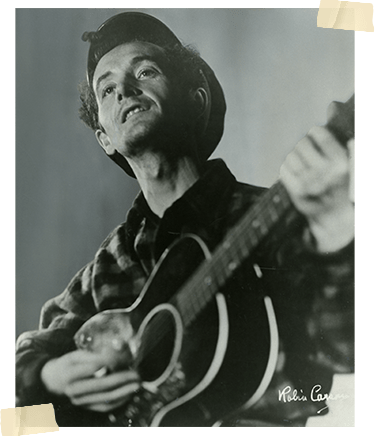
Some Woody Guthrie trivia:
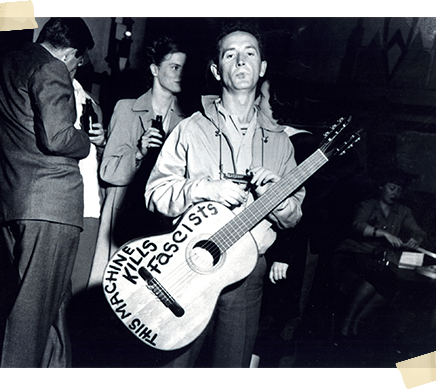
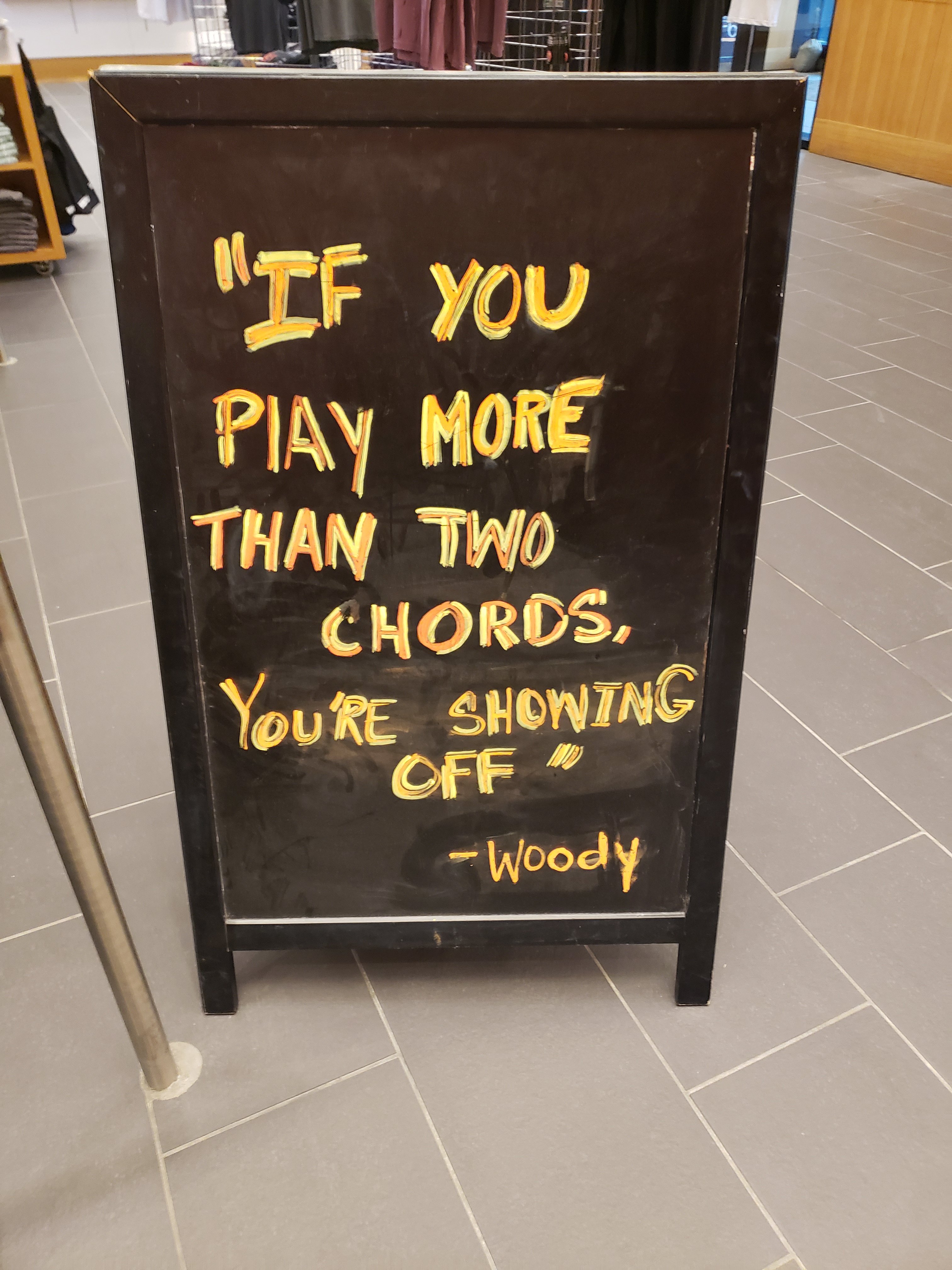

“Woody never “made it big” during his lifetime. His goal wasn’t personal wealth but to remain true to his ideals and work for the people. He walked away from many good jobs because someone in the corporate hierarchy tried to control what he said.”
“Woody’s message continues to change the world as he inspires a new generation of artists and activists to take a stand. Without contemporary forms of communication, the bards brought stories to people. That’s what Woody did.
He spoke up for the Dust Bowl migrants, bringing attention to their plight in a way that the listeners to his radio show, The Woody and Lefty Lou Show, were able to understand. He traveled with his African American friends and fellow musicians, breaking a color barrier during a time when that wasn’t readily acceptable. Woody was fearless and always ready to fight for those who needed help.
Woody’s empathy allowed him to insert himself into the stories of others, and he shared those narratives through music, prose, and artwork. He often wrote “I ain’t dead yet.” We feel his presence and see his influence when people everywhere speak out for those who need a voice and shine a light on injustice in our world.”
If you visit Tulsa, make time to stop at the Woody Guthrie Center.
I can’t believe that my time in Kansas is already coming to a close. I arrived at the end of December and have less than two weeks left. Where does the time go?
Continue reading “Countdown to Yellowstone!”
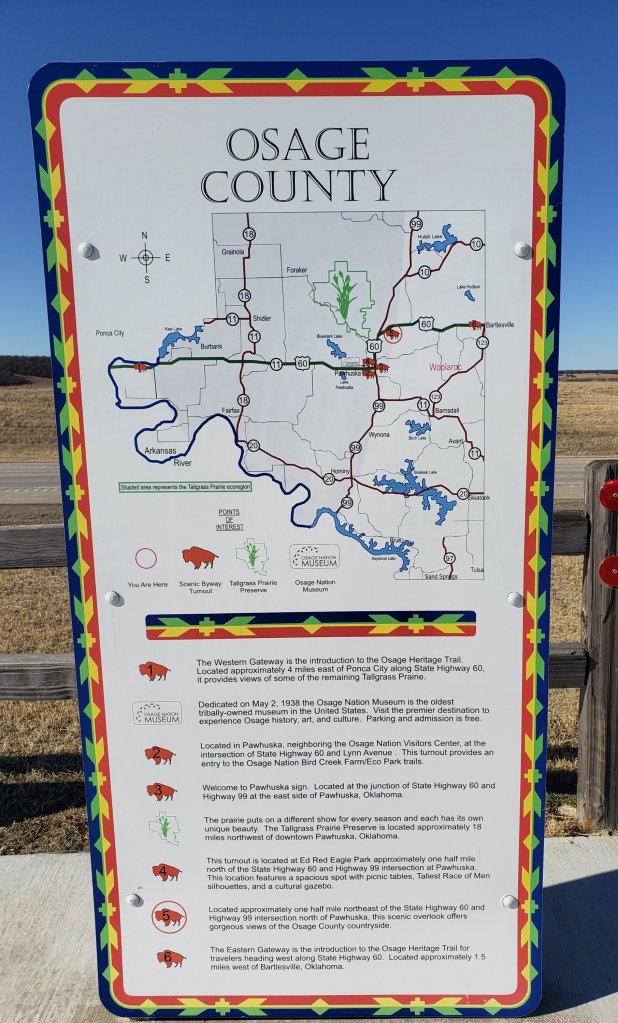
Last week we had cold, snowy, icy weather here in Kansas. I stayed in, read and cooked. This week, we have temperatures in the 60s and 70s with beautiful clear blue skies. I am ready to get back out and explore more around the area!
Continue reading “Exploring Osage County, Oklahoma”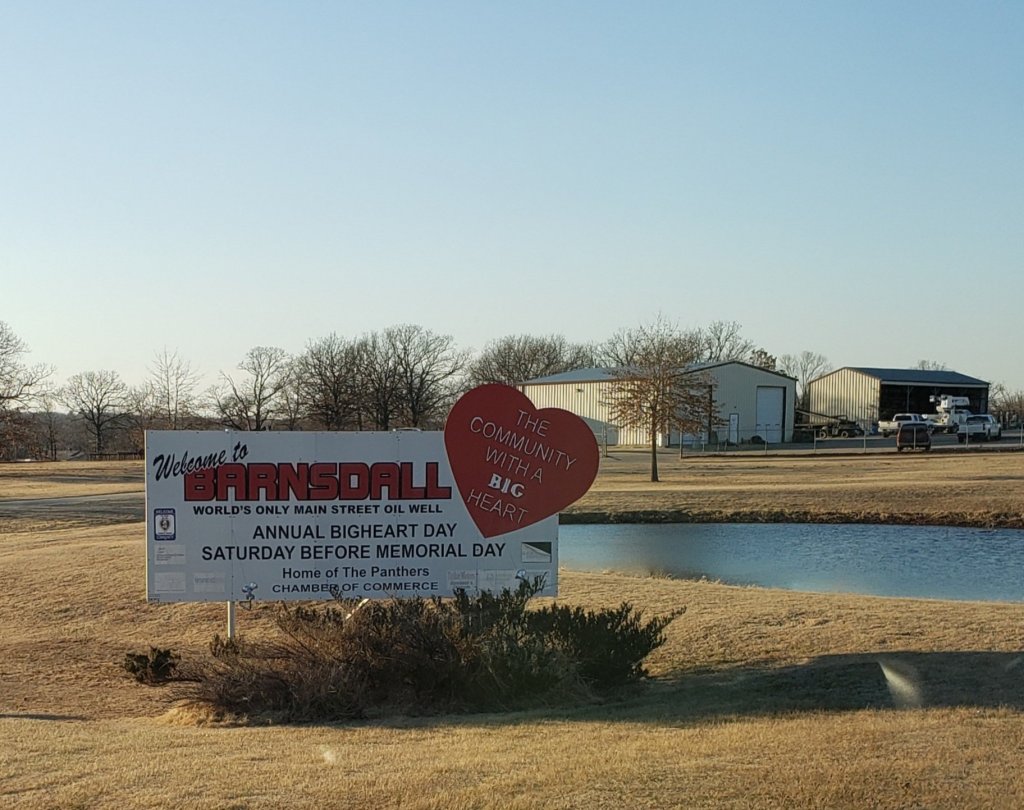
The main reason I drove into Barnsdall is that it has the world’s only Main Street oil well. It was even featured on the Ripley’s Believe It or Not program.
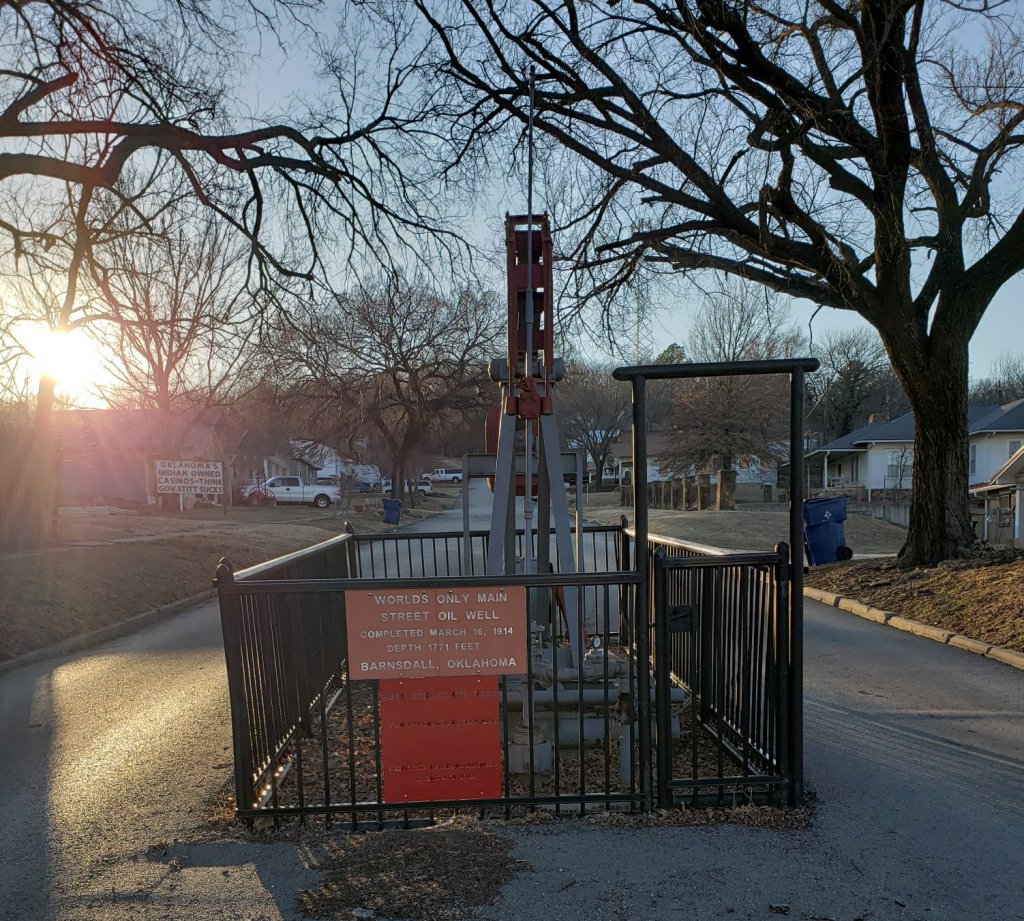
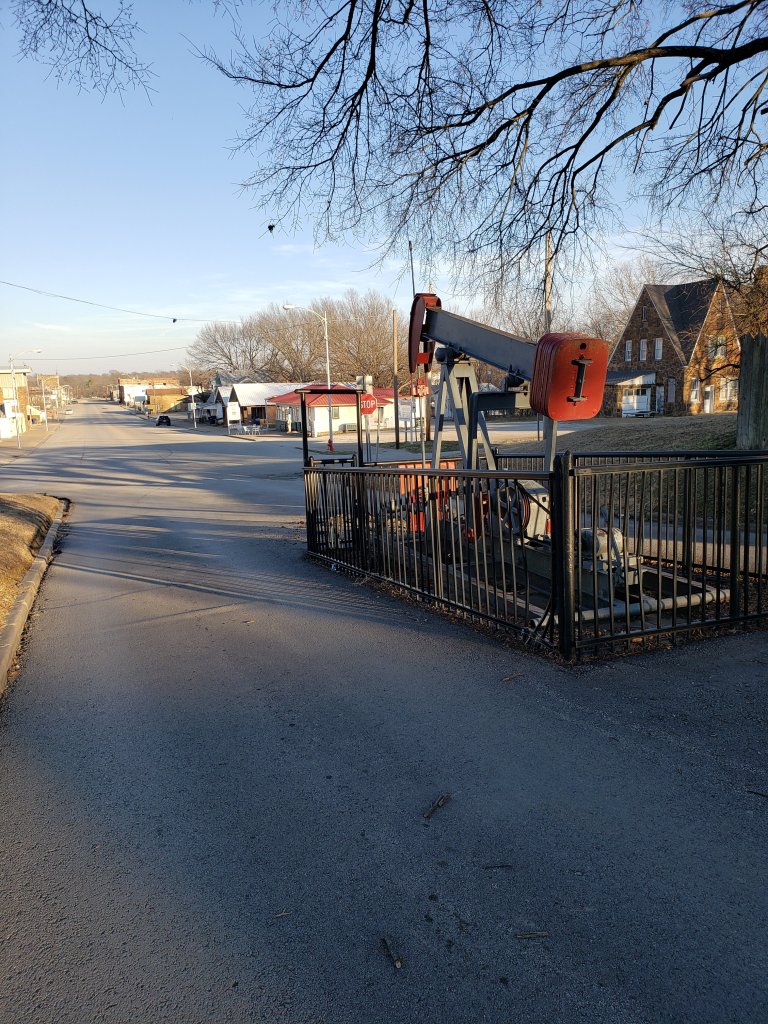
The well was dug in 1914 by the Indian Territory Illuminating Oil Company, later to become part of the Barnsdall Oil Field. The town was still known as Bigheart then, originally named for an Osage chief named James Bigheart, before Oklahoma had even become a state. With strikes in the first quarter of the 20th century, the oil business took over many towns like Barnsdall, which accounts for the name change in 1922 in honor of Theodore Newton Barnsdall and his oil and refining company.
The well toiled for decades, but stopped mid-pump in the early 1960s. For a while there was a little caution sign on the fence, warning that it could start up again at any time. It’s been over 50 years, but maybe it will start pumping again. And sitting as it does in the middle of Main Street, everyone in town will know if does.
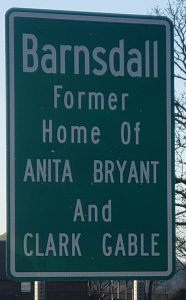
I’m always surprised to see who comes from the small towns. Barnsdall, Oklahoma is the home of Anita Bryant & Clark Gable!
The next sight I happen to spot by chance. On the street corner downtown, there are two conveniences. One you have probably seen before. The other one was new to me and maybe to you.
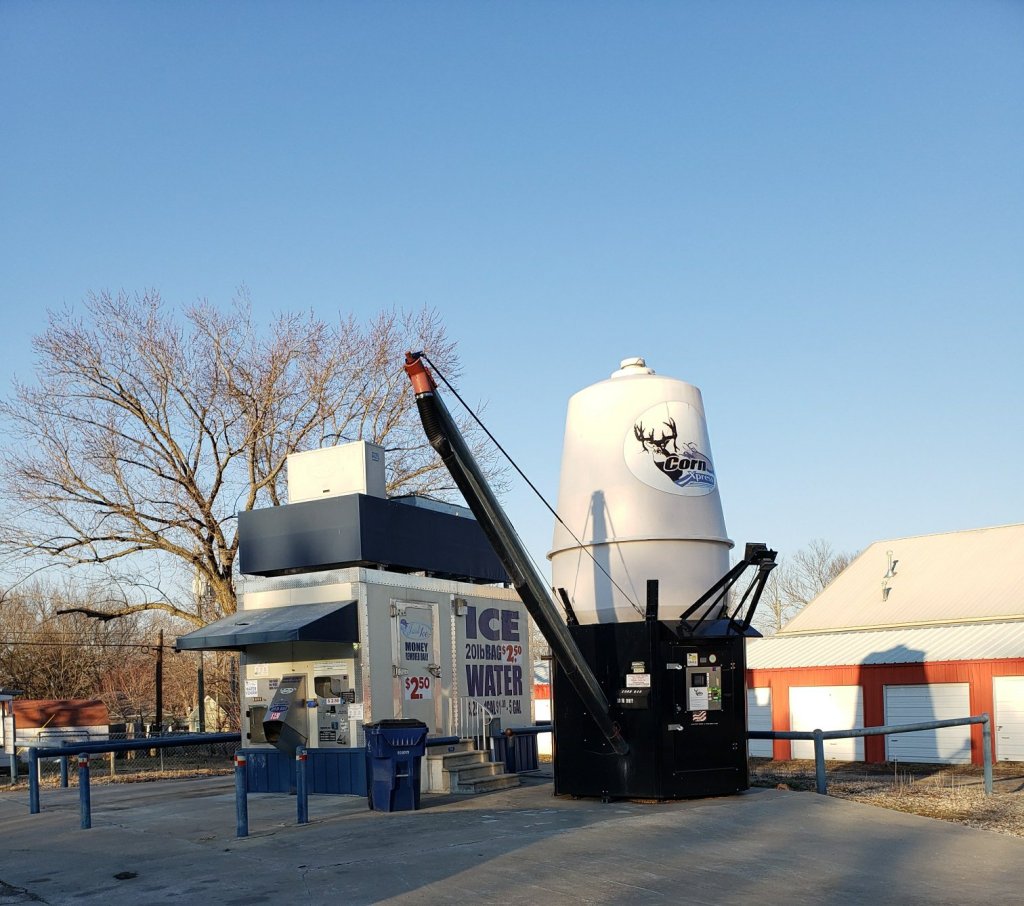
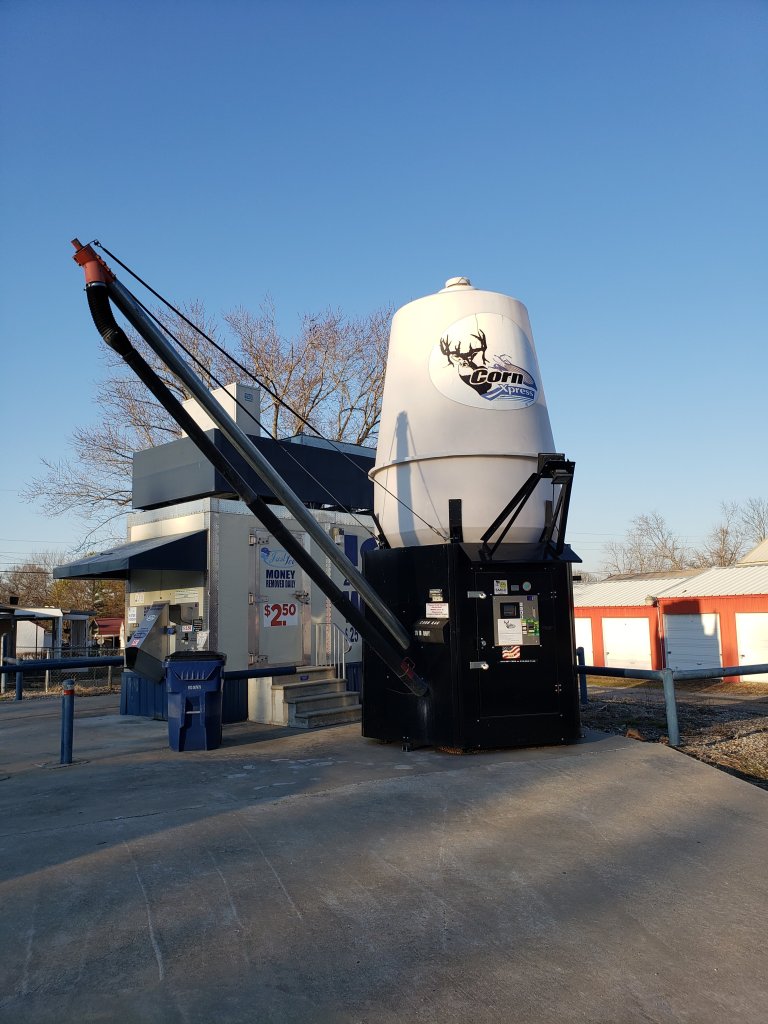
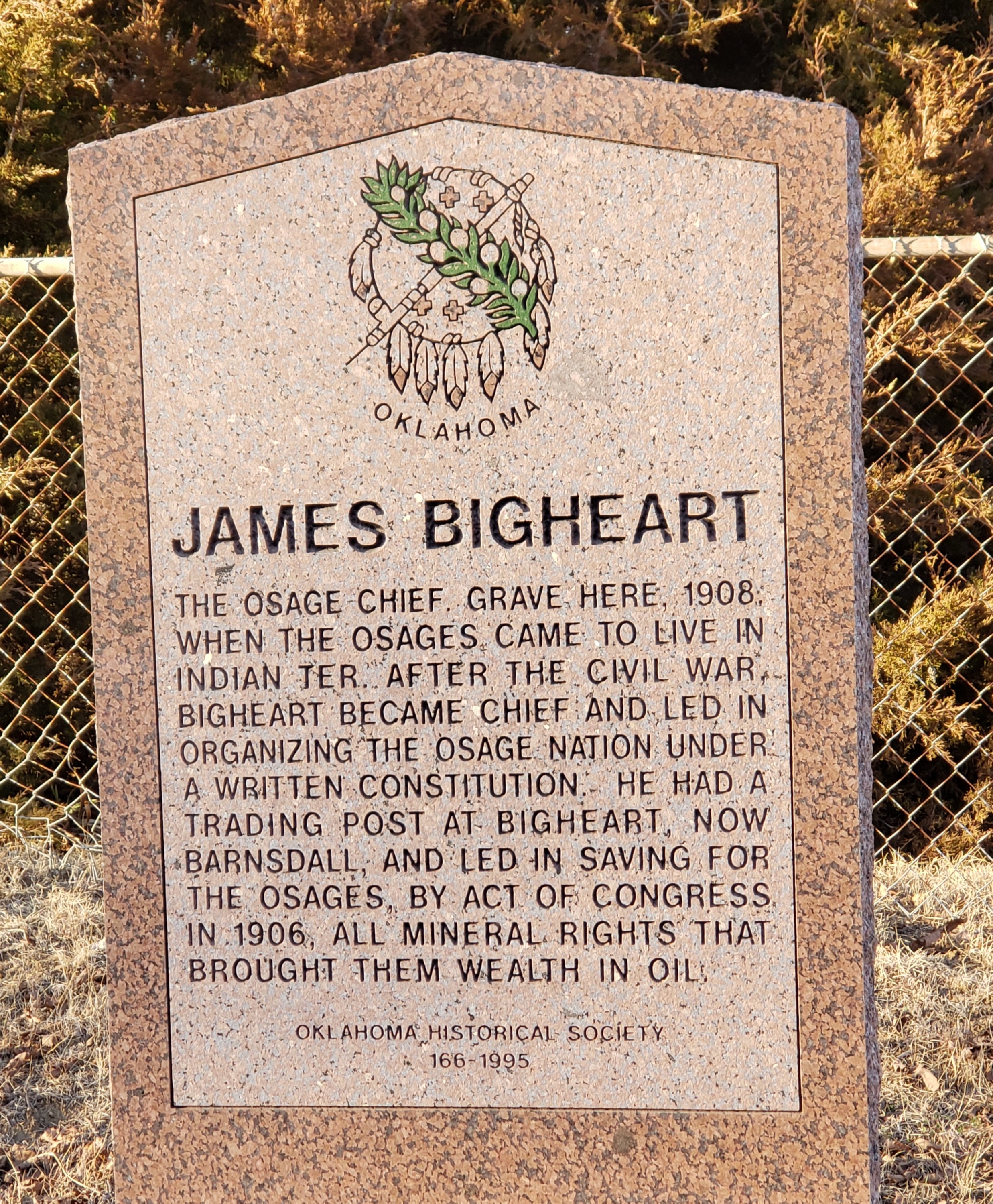
Leaving town, I spotted a highway marker paying tribute to Osage Chief James Bigheart.
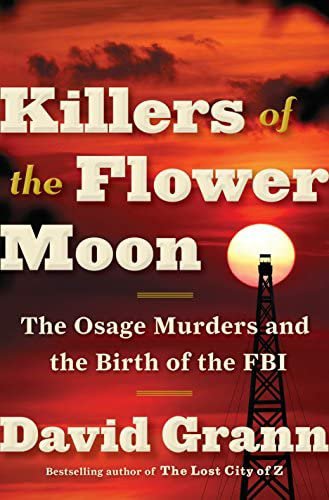
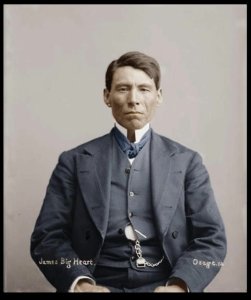
Orpha B. Russell wrote of James Bigheart:
Much has been written and published about the Osage people, commonly recognized as the wealthiest tribe of American Indians, yet the one man largely responsible for that wealth has had very little notice. Had James Bigheart chosen the “easy going ways” of his full blood Indian kinsmen’ his life would have been much less strenuous, but the Osages would not be enjoying their present position as one of the wealthiest Indian tribes in America.
Because he was the outstanding leader in his tribe during the four decades immediately preceding his death 2,229 enrolled Osages and their descendants have shared more than $300,000,000 from royalties, bonuses, leases, and rentals during the 44 years since his death. Ironically, “Big Jim” died and was buried October 5, 1908, just three months before his tribesmen received their first payment under the “headright” method he had worked out for them, but he had lived long enough to realize that his life-long dream, security for his tribesmen and their children, had been assured.
To learn more about the legacy of James Bigheart, click here.


 Camping with Christi