
Today was a busy day & I traveled through four states. I spent the last six months in Kansas and it was time to start the trip to Yellowstone.
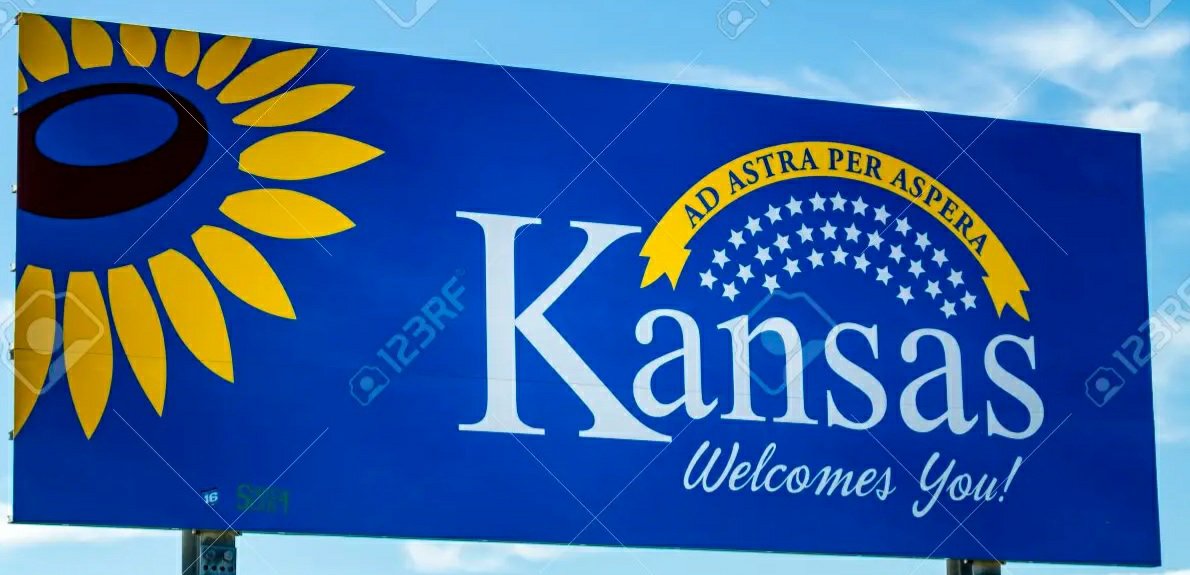
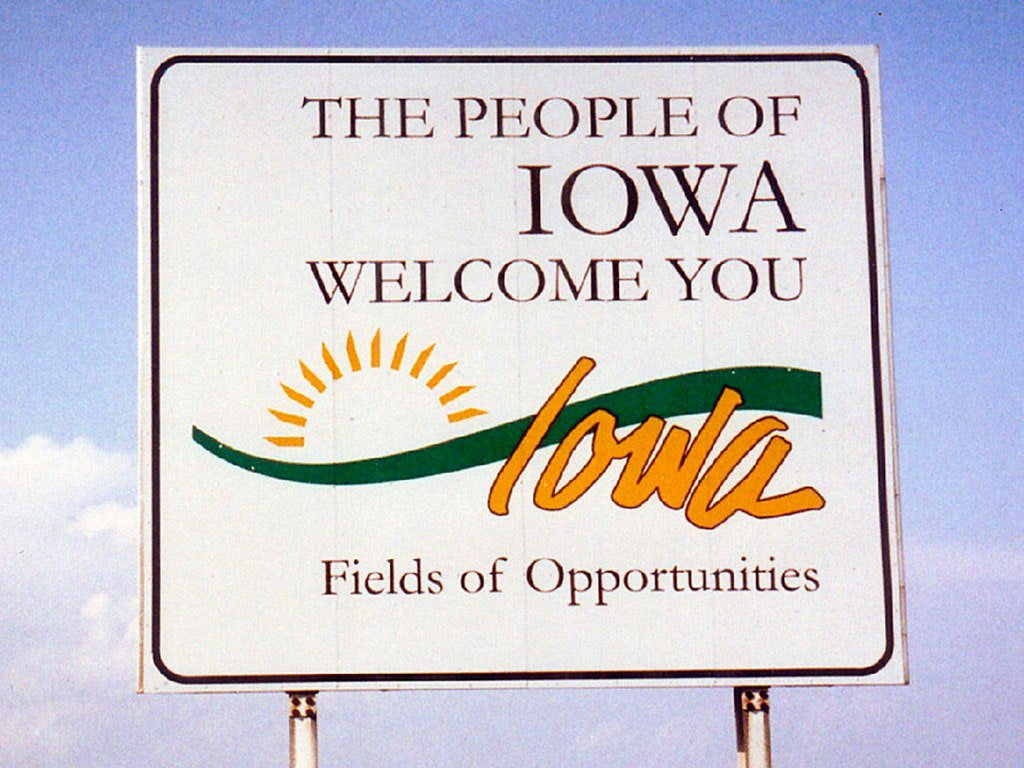
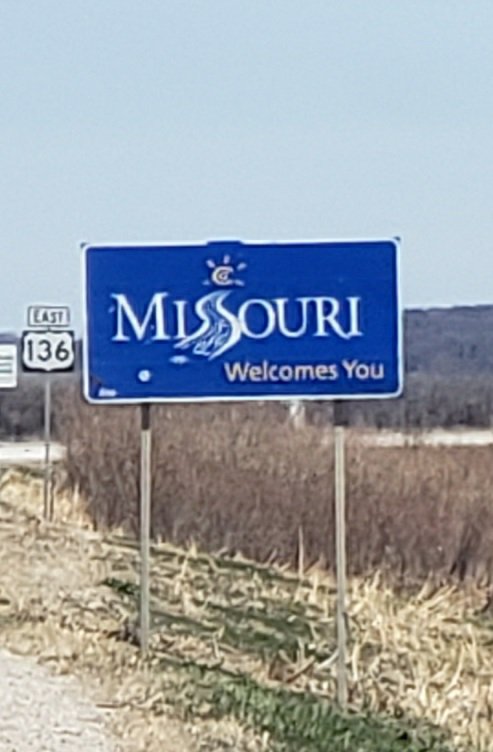
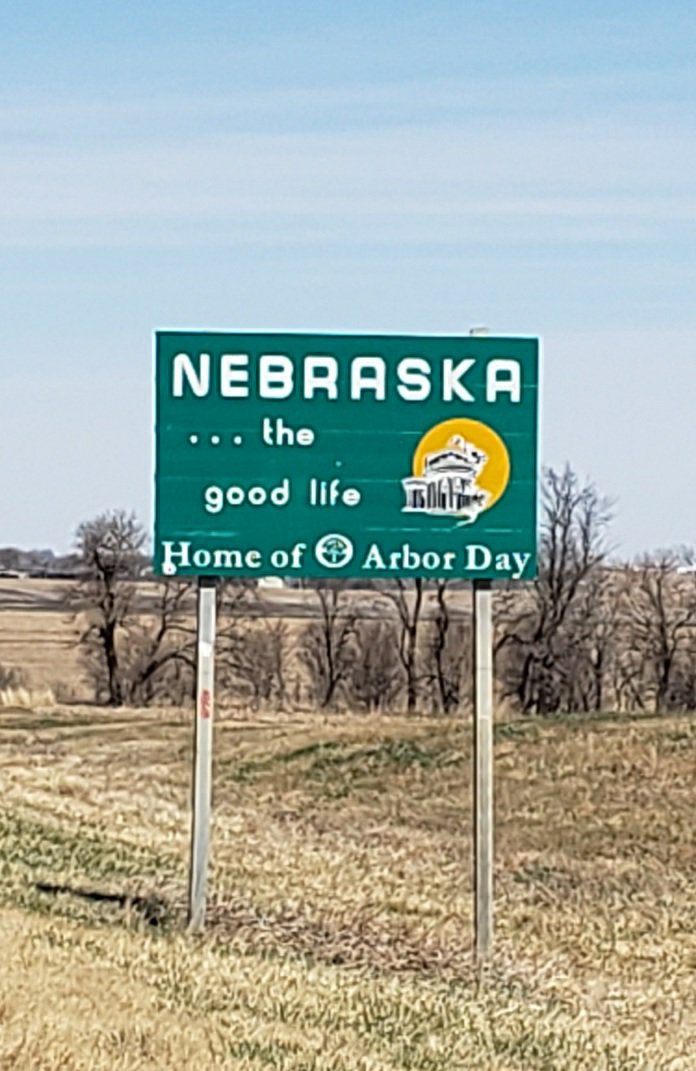
My route now had me in Nebraska. My first stop was right across the Nebraska state line at the Missouri River Basin Lewis & Clark Visitor Center.
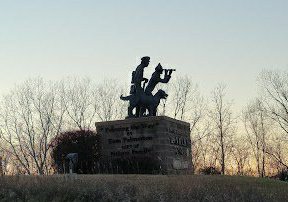
A Little History
The Lewis & Clark Expedition, led by Captain Meriwether Lewis & Lieutenant William Clark, set out in 1804 to explore the Louisiana Purchase & the Pacific Northwest.
President Thomas Jefferson tasked them to seek new trade routes, to establish relations with the western tribes of American Indians, and to report on the geography, geology, astronomy, zoology, botany, and climate of the West. Congress gave the expedition $2500 for their trip.
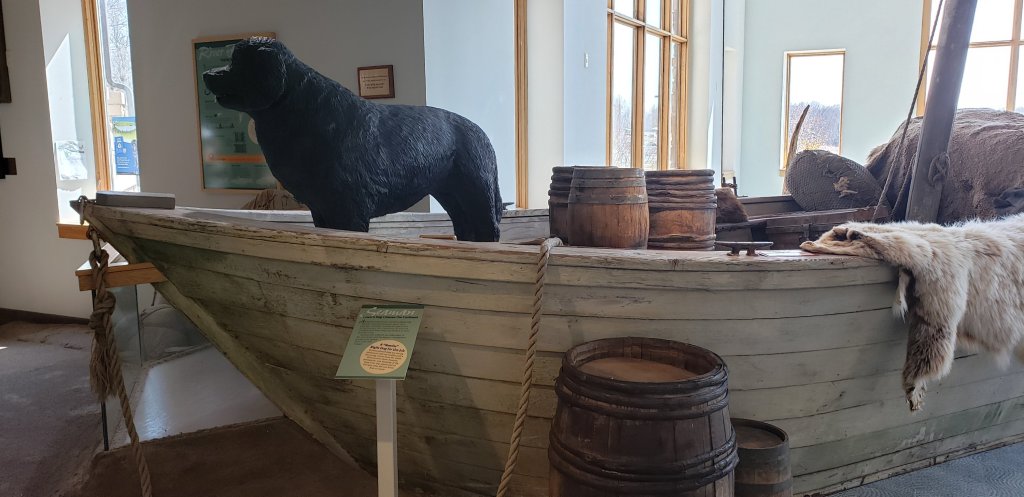
Meriwether Lewis lead the expedition. He traveled to Philadelphia for six weeks for instruction in botany, celestial navigation, medicine, & zoology. He also purchased supplies & spent $20 on a Newfoundland dog, Seaman.
You may know that I have a degree in mathematics, but I started college as a history major. I had a great teacher at Rocky Gap High School in rural Virginia. Mr. John Dodson had a love of history & he loved sharing it with his students. So, I may tend to go on & on about some of the historical places I visit, but it’s only because I find them so interesting!
Medicine & the Expedition
The Center has exhibits on various subjects and the one that caught my interest was the medicine exhibit.
President Jefferson did not send a doctor on the expedition. The captains were responsible for the health of their men. Only one member of the expedition died and it is believed that he died of appendicitis.

Lewis purchased $90.69 worth of medical supplies, including two wooden chests. The items reflected the best medical knowledge & practices of the time. Items in their chests included:
- Lancets – small knives that were used to cut open a vein to drain “irritating” blood from a patient.
- Peruvian bark – used to make teas & poultices to treat snake bites, abdominal pain & just about anything else. It reduced fevers because it contained quinine.
- Tooth extractor & bullet probe – the expedition had to be prepared for any emergency.
- Rhubarb – powdered rhubarb was one of the laxatives in the chests. Purging was one of the favorite remedies of the time.
- Calomel – Mercury, now known to be poisonous, was used in many remedies of the early 1800s. Calomel, or mercurous chloride, was a main ingredient in Rush’s Pills, the expedition’s famous “Thunderclapper” laxatives. Calomel was also used to treat syphilis.
- Amputation knife & surgical saw – Lewis amputated the frostbitten toes of a Mandan boy in January 1805. The young boy lived.
Lewis’ mother, Lucy Lewis Marks, was an herbalist who was known for her medical remedies. She used plants from her garden and the woods to treat the sick in Virginia.
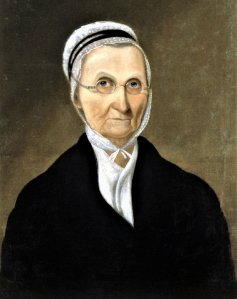
No doubt Lewis learned the value of plants & remedies from his mother. He used choke cherry twigs to make tea when they were sick. He gave wild ginger tea to men who had colds and made a healing salve from bear’s oil, beeswax & gunpowder.
Health Challenges
As the expedition traveled, they ate mostly meat. The men were able to hunt and eat fresh meat most days. On the expedition, they shot 375 elk, 227 buffalo, 62 antelope & 1001 deer. The lack of fruits & vegetables made them more prone to sickness. They seldom bathed or washed their clothes which made them more likely to get sick, too.
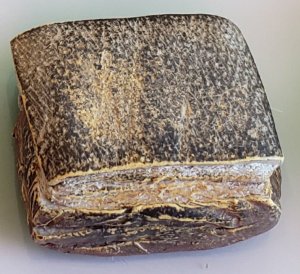
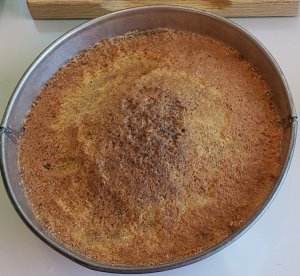
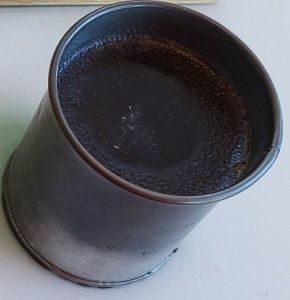
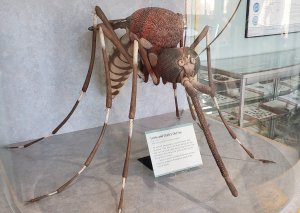
Can you imagine setting out on a journey like this back in the 1800s? These were 33 brave people who risked their lives every day of the two year, four month, eleven day expedition. They set off in three boats with 30 tons of supplies. Along their trip, Lewis & Clark discovered 178 plants and 122 animals. They recorded their discoveries in journals. In all, they wrote over a million words.
Congress funded $2500 for the expedition. By the time all the bills were in, the total was $38,722.25.
 Camping with Christi
So who paid the difference?
excellent report–we visited the museum in Virginia where hte expedition started out.–severl years ago now
LikeLiked by 1 person
Whatever the cost, it was worth it! There are so many stops along their trail & it is fascinating.
LikeLiked by 1 person
A great book on the subject is Undaunted Courage by Stephen E. Ambrose which my husband found in the Friends of the Library Southport & Oak Island used book store for $1. Fascinating part of American history!
LikeLiked by 2 people
Stephen Ambrose has a number of other books on American history, too. Keep an eye out for another bargain!
LikeLiked by 1 person
Thank you for this post. I love learning about the Lewis and Clark expedition. Years ago, I read “Undaunted Courage.” We are stopping in Nebraska City on our way to Yellowstone. We have not totally planned our trip back home. Maybe we will plan to spend an extra day here to see this Visitor Center. Safe travels!
LikeLiked by 2 people
Wow! You’re moving right along. Can’t wait until you get to Yellowstone!
LikeLiked by 2 people