
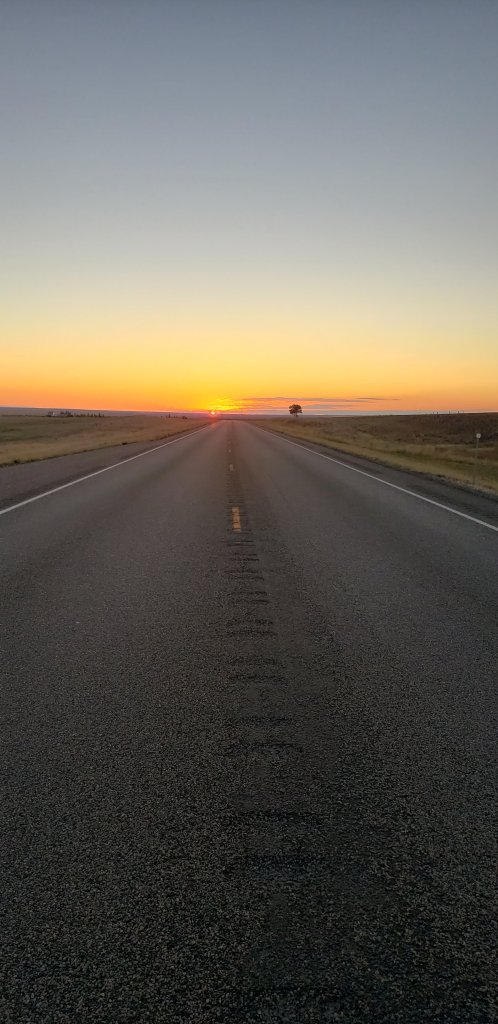
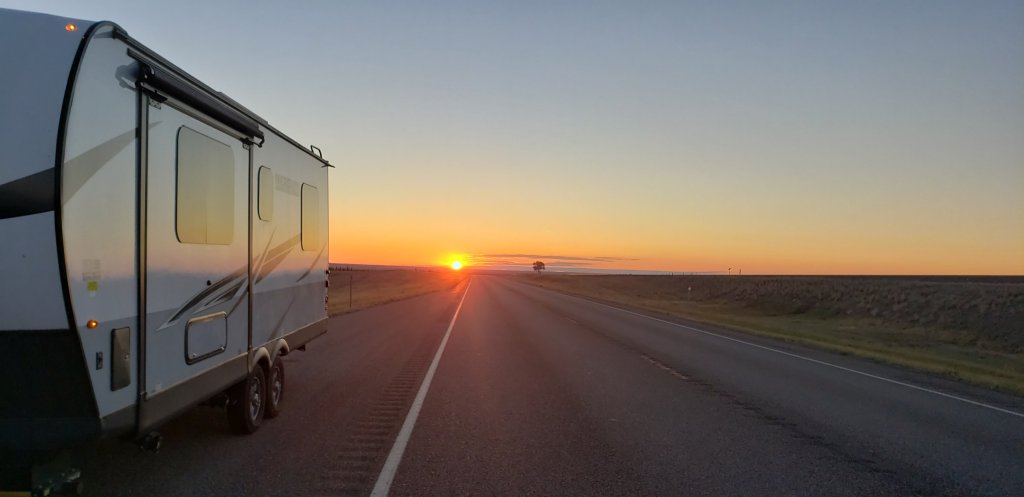
I am driving my way across the beautiful state of Montana & the vast expanses are stunning.
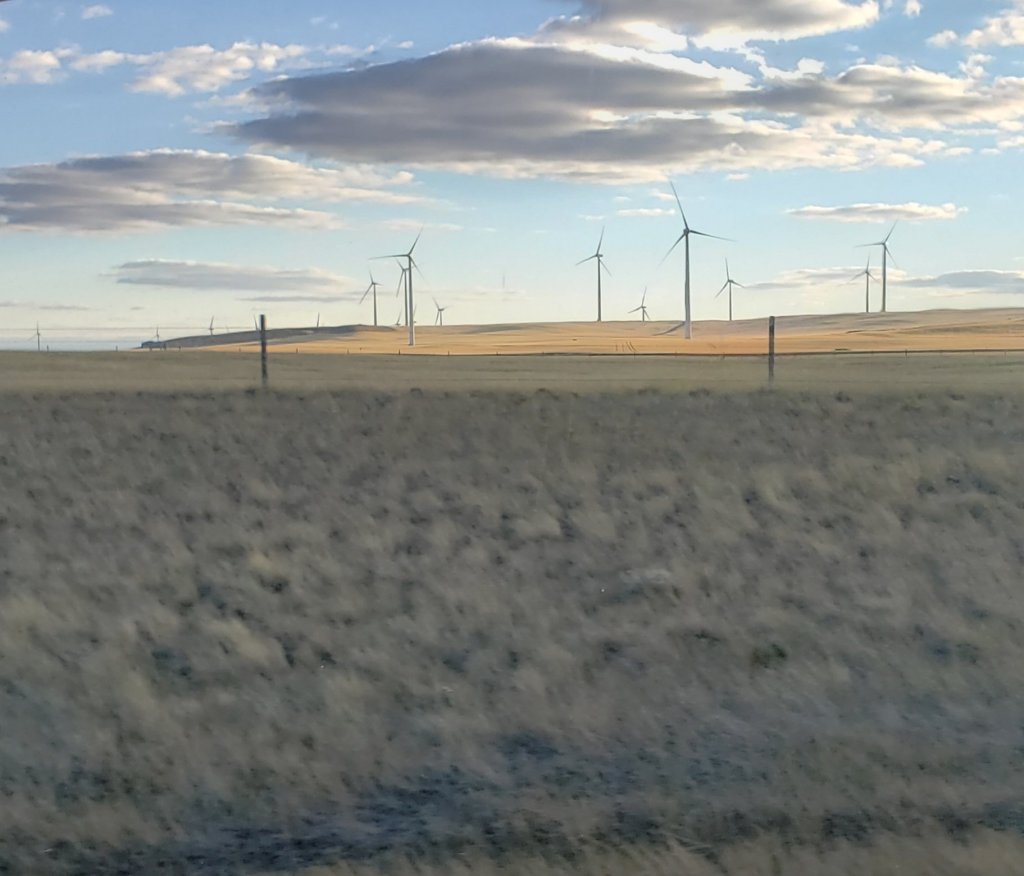
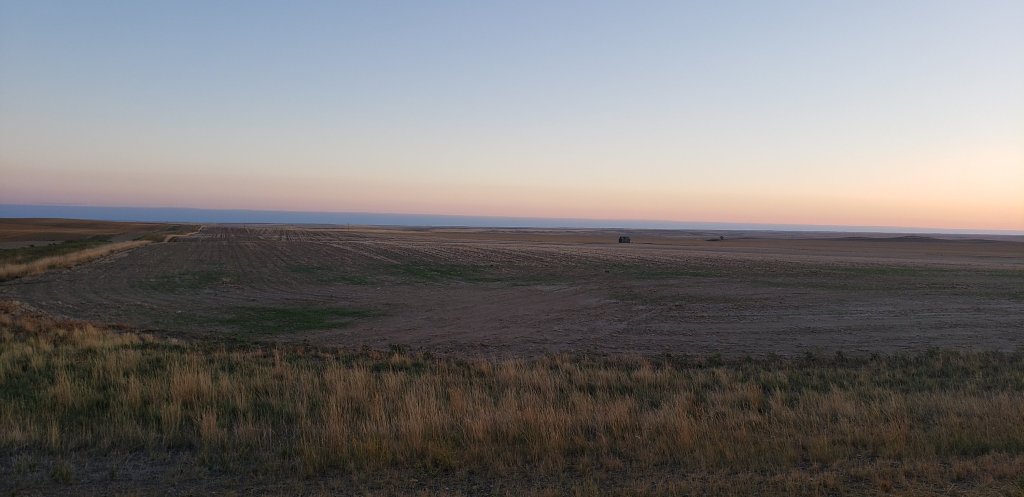
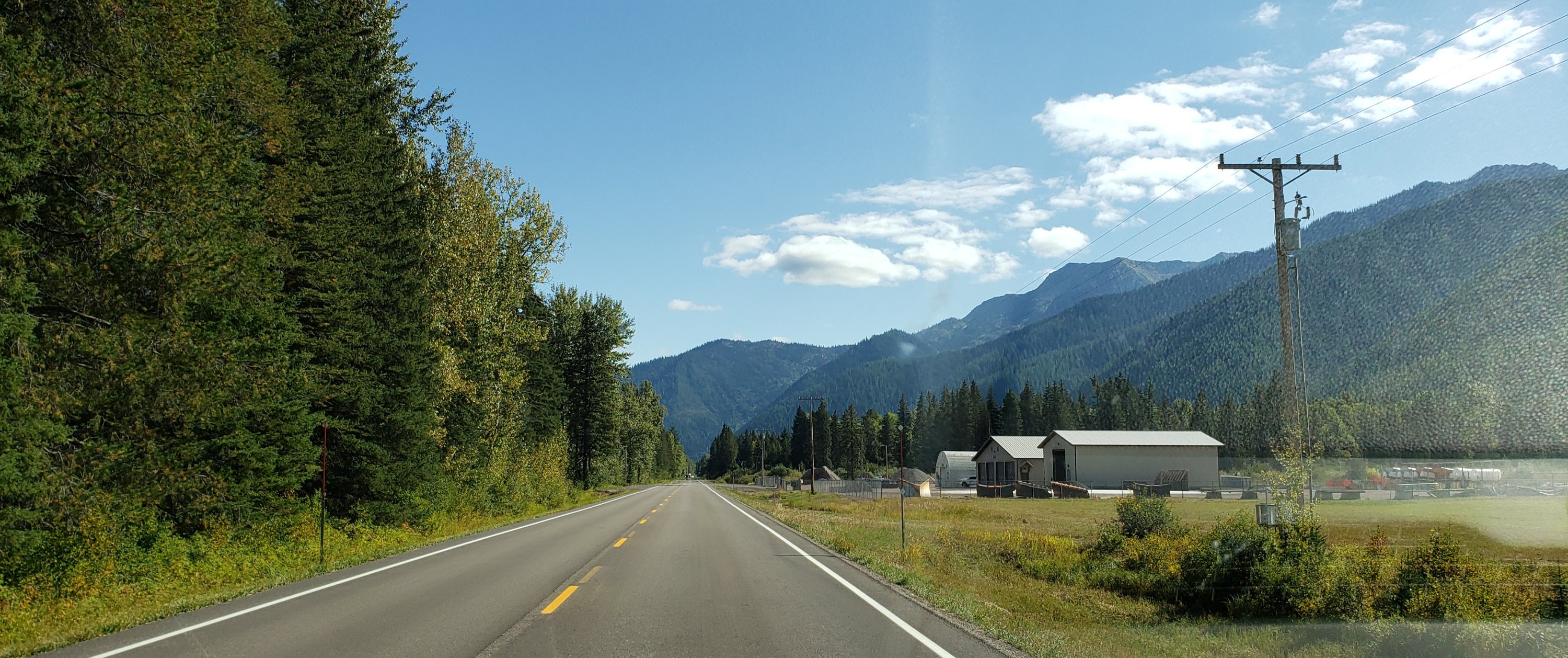
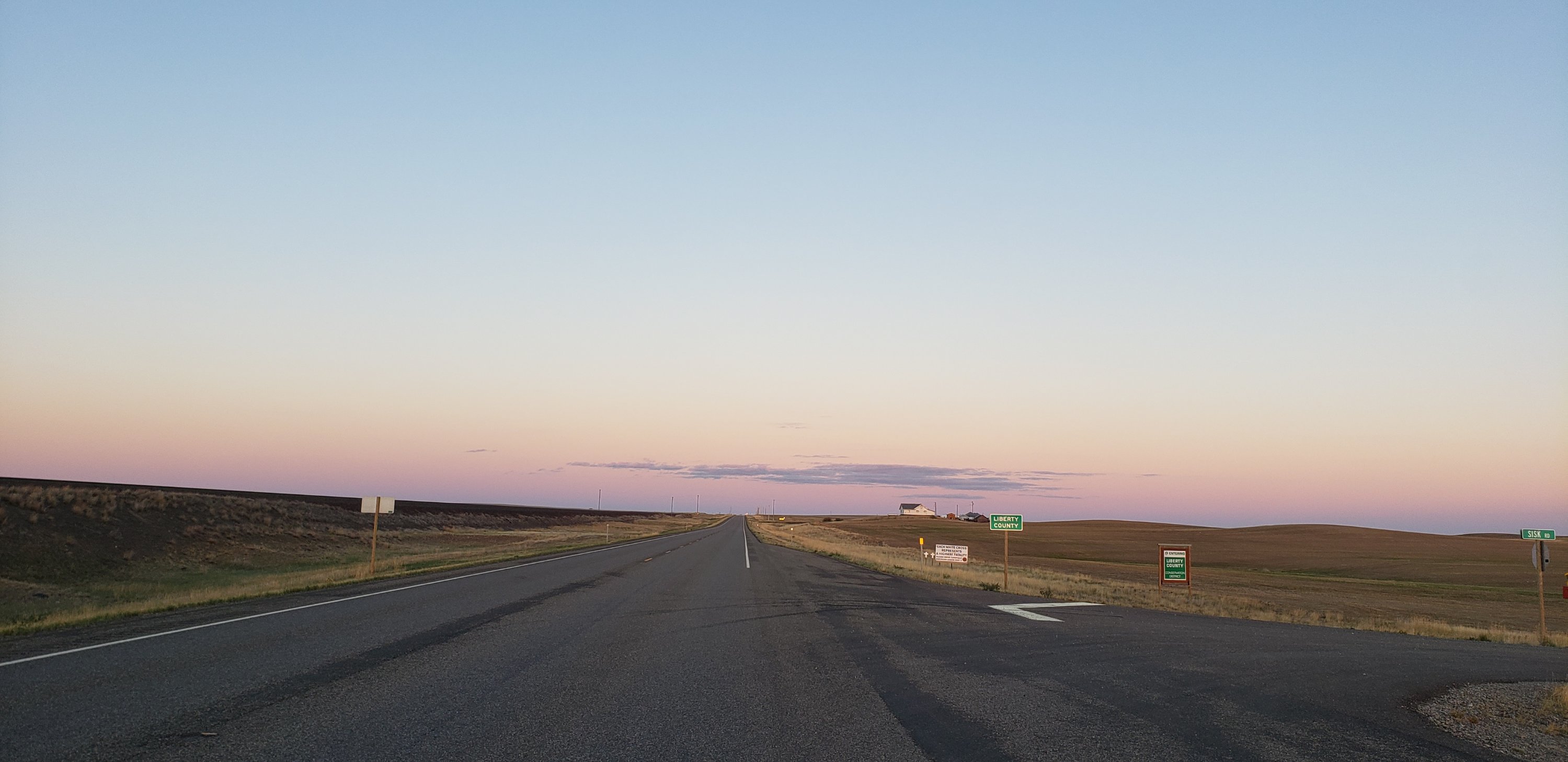

I stopped yesterday afternoon before the sun dropped below the horizon & got some great shots.
I have seen lots of wild pronghorn antelope in the fields but there isn’t anywhere to stop to get a picture. The first chance I get to stop, safely, I will get a photo & post it. In the meantime, here are some interesting facts about this fastest land mammal in the Western Hemisphere.
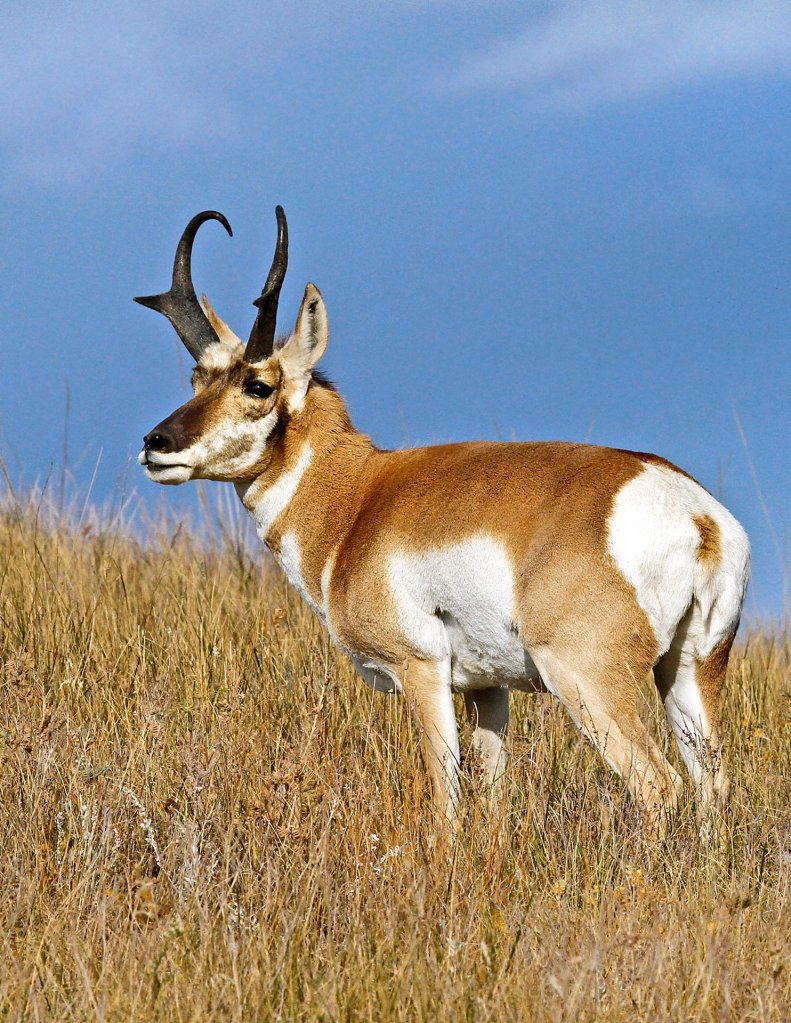
Pronghorn are one of North America’s most impressive mammals. Not only do pronghorn have the longest land migration in the continental United States, they also are the fastest land animal in North America. Pronghorn can run at speeds close to 60 miles an hour. Although pronghorn are not as fast as cheetahs, they can maintain a fast speed for a longer period of time than cheetahs. Even more amazing than its speed is the pronghorn’s migration. Herds of pronghorn migrate 150 miles each way between Wyoming’s Upper Green River Basin and Grand Teton National Park. The only other land animal to travel farther in North America is the caribou.
Pronghorn are ungulates (hoofed animals) and related to goats and antelope. They have the body shape of a deer with long legs, short tail, and a long snout. The fur is a reddish-brown color, but it can also be tan or darker brown. Pronghorn have white stripes on their necks and additional white markings on the face, stomach, and rump. The rump has extra-long white hairs that the pronghorn can stick up when scared.
The most noticeable characteristic of pronghorn is also the source of their common name. Both males and females have a pair of short horns on the top of the head. The female’s horns are small, usually only a bump. In contrast, the males’ horns are around 10 to 12 inches long. They also have a unique shape, because unlike other ungulates, a pronghorn’s horns point backward. The horns extend straight up and then curve toward the rump. At the front of the horn is a small notch or prong that points forward, hence the animal’s name.
Pronghorn have large eyes and fantastic vision. Their large eyes can spot predators from very far away, which is helpful on their flat grassland habitat. Pronghorn are about 4.5 feet long, three feet tall, and weigh between 90 and 150 pounds. Females tend to weigh less than the males.
RANGE
Pronghorn are found only in North America. Their natural range extended from southern Canada to northern Mexico. Today pronghorn are mainly found in the United States in the Great Plains, Wyoming, Montana, northeast California, southeast Oregon, Nevada, Utah, Colorado, Arizona, and New Mexico. Some of the highest numbers of pronghorn are in Wyoming in the Red Desert and Yellowstone ecosystems. Pronghorn like open plains, fields, grasslands, brush, deserts, and basins. Between the summer and winter, pronghorn migrate between feeding grounds to survive the harsh winter.
DIET
Pronghorn are herbivores. They eat grasses, forbs, sagebrush, and other prairie plants. Pronghorn digest their food twice. After they swallow food, it passes through the stomach and then the pronghorn regurgitates it. This process allows the pronghorn to break the plant material into smaller pieces so that more nutrients are absorbed. The regurgitated food is called cud. They seldom drink water because they receive most of their water from the plants they eat.
BEHAVIOR
Pronghorn depend on their strong vision to communicate. If a pronghorn spots a predator, it raises the white rump hairs. The white patch becomes larger and visible by other pronghorn. They know that the signal means to be on the alert—danger is near. Pronghorn also use smell to attract mates and signal danger.
 Camping with Christi
Very interesting! Pronghorns are beautiful animals..
LikeLiked by 1 person
Beautiful animals ! Stay safe ! Love ya !
LikeLiked by 1 person
loved all the facts about the Pronghorns and the vast horizons too, so empty out there, nothing in site for ever, beautiful country again.. where to now ???
LikeLiked by 1 person
Sidney, MT
LikeLike
Judy and I loved traveling to Bozeman, the scenery along the way with mountains, prairies, and pronghorn was amazing ! What an experience you’re having!👍👍
LikeLiked by 1 person
I loved Bozeman. I went there several times to go shopping when I was in Yellowstone. The pronghorn are so graceful & beautiful.
LikeLike
great info on the pronghorn! what about hte sugar beet harvest? did my email program cut something off?
LikeLiked by 1 person
I will be posting more about the sugar beet harvest soon!!
LikeLike